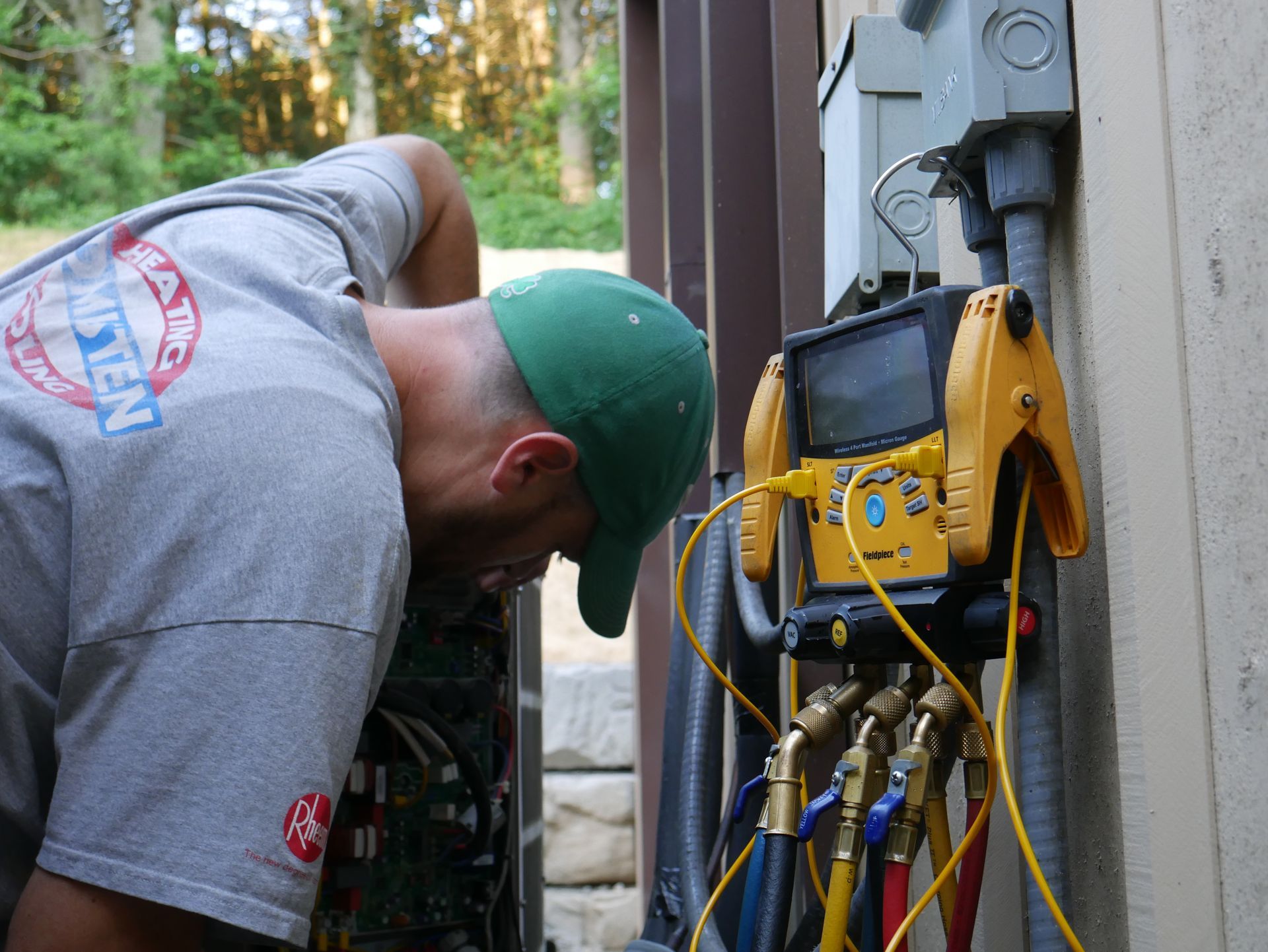
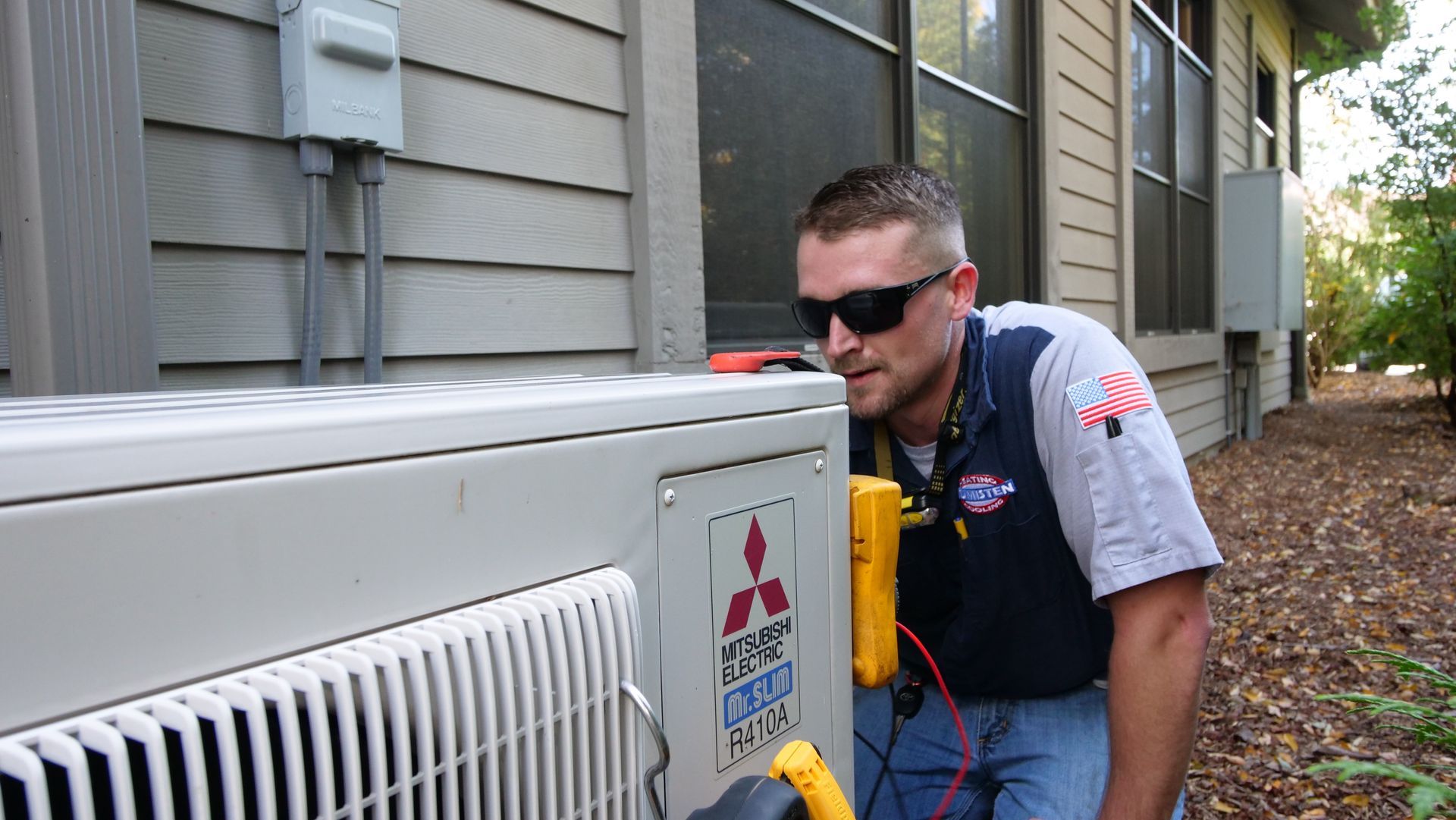
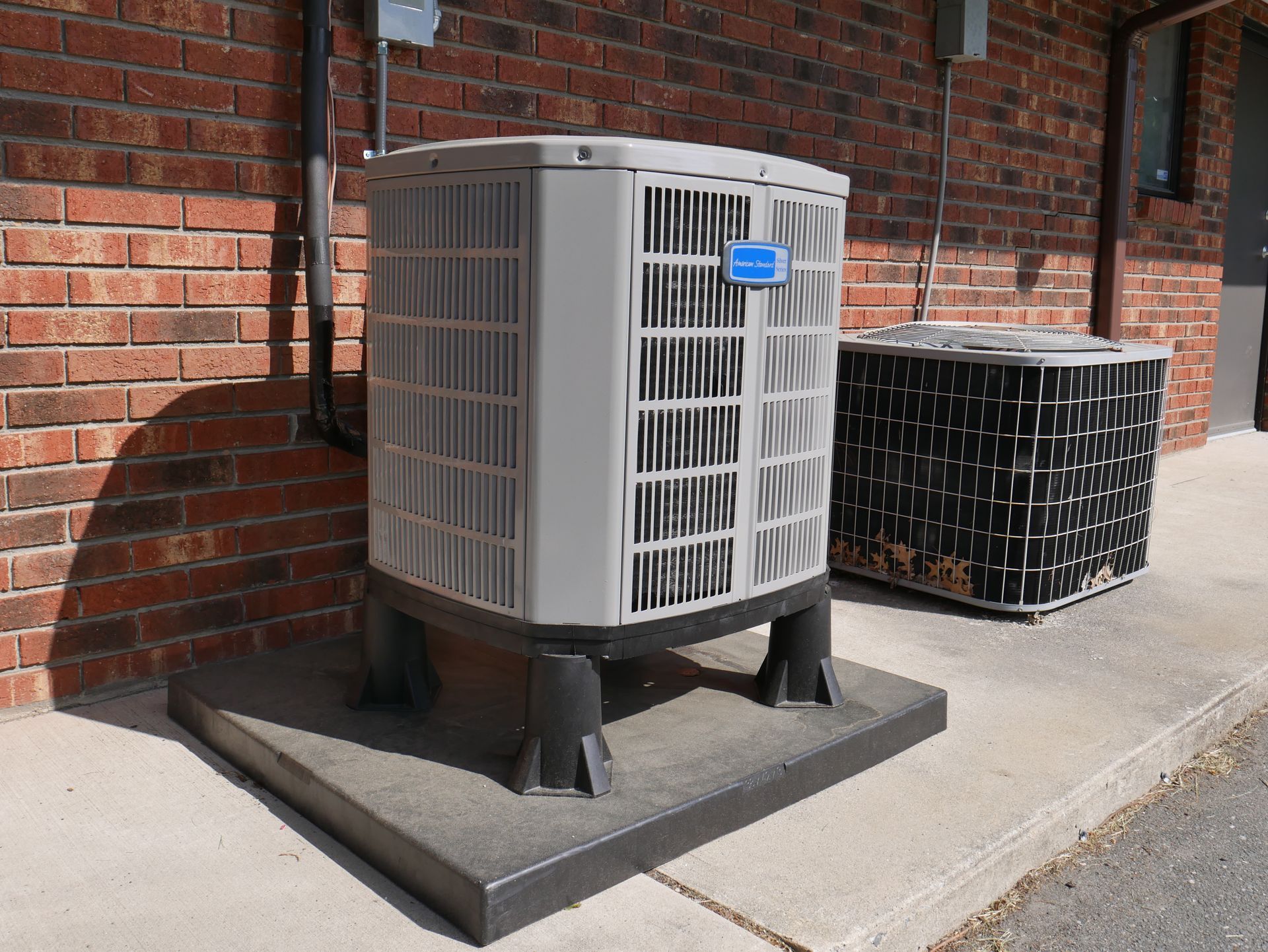

October in Boone, NC means cooler mornings, chilly nights, changing leaves, and the beginning of heating season in the High Country. While afternoons can still be comfortable, nighttime temperatures can drop quickly, which means many homeowners are starting to rely on their heat pumps again. If you have a heat pump, you may notice that it operates a little differently as temperatures fall. Some changes are completely normal. Others could be signs that your system needs attention before winter arrives. At Edmisten Heating & Cooling, we want Boone homeowners to know what to watch for as their heat pumps transition into cold-weather operation. Why Heat Pumps Work Differently as Temperatures Drop Unlike a furnace, which generates heat, a heat pump transfers heat from the outdoor air into your home. Yes, there is still heat energy available outside even when it feels cold! As outdoor temperatures fall, however, your heat pump has to work harder to extract that heat. You may notice longer run times or different operating patterns as Boone moves deeper into fall. That doesn't automatically mean something is wrong. The key is knowing the difference between normal cold-weather operation and a system that's struggling. Longer Run Times Can Be Normal One of the first things you may notice during a cold Boone night is that your heat pump runs longer than it did during milder weather. Heat pumps are designed to provide steady, consistent heating rather than short bursts of extremely hot air. When temperatures outside drop, your system may run for longer periods to maintain your thermostat setting. However, if your heat pump seems to run constantly and your home still isn't reaching the desired temperature, it's worth having the system checked. The Air From Your Vents May Not Feel "Hot" If you're used to a traditional furnace, the air coming from a heat pump may feel cooler than you expect. That's because heat pumps typically deliver warm air at a lower temperature than furnaces. The air should still be warming your home, but it may not feel extremely hot when you place your hand near a vent. Pay more attention to whether your home is reaching and maintaining the temperature on your thermostat. If the system is running but the temperature inside continues to fall, there may be an issue that needs professional attention. Seeing Frost on the Outdoor Unit Isn't Always a Problem During cold, damp weather, it's possible for frost to form on the outdoor portion of a heat pump. Heat pumps are designed with a defrost cycle that periodically helps remove this buildup. During a defrost cycle, you may notice your system operating differently for a short period. A light layer of frost that disappears can be normal. However, heavy ice buildup that remains on the unit is another story. If your outdoor unit appears to be covered in ice or isn't clearing itself properly, contact an HVAC professional rather than attempting to chip or remove the ice yourself. Know When Your Auxiliary Heat Is Running Many heat pump systems have an auxiliary or backup heat source that can provide additional heating when outdoor temperatures become particularly cold or when the system needs to raise the indoor temperature quickly. You may see "AUX HEAT" displayed on your thermostat occasionally during colder Boone weather. Brief periods of auxiliary heat aren't necessarily cause for concern. But if auxiliary heat seems to be running constantly during relatively mild weather, your system may not be operating as efficiently as it should. Because auxiliary heating can use more energy, frequent operation can also contribute to higher utility bills. Watch for These Signs of a Heat Pump Problem As you begin using your heat more regularly this fall, pay attention to how your system performs. Consider scheduling service if you notice: Your home isn't reaching the thermostat setting The system runs constantly without adequately heating your home Ice remains on the outdoor unit Airflow from the vents is unusually weak Your system begins making new or unusual noises Auxiliary heat seems to run excessively Your energy bill increases unexpectedly Some rooms remain significantly colder than others Addressing a small issue in October can help prevent a much more inconvenient problem when Boone experiences its colder winter weather. Don't Forget About Your Outdoor Unit Fall in the High Country is beautiful, but all those colorful leaves eventually have to come down. Leaves, twigs, and other debris can collect around your outdoor heat pump and restrict airflow. Take a few minutes throughout the fall to check the area around the unit and keep it clear. Give the system plenty of space to move air freely, and avoid piling leaves or other yard debris near it. October Is a Great Time to Make Sure Your Heat Pump Is Winter-Ready In Boone, heating season can arrive quickly. A comfortable fall afternoon can turn into a cold night, and winter weather won't be far behind. That's why October is a good time to pay attention to how your heat pump is performing. If something doesn't seem right now, don't wait until freezing temperatures arrive to find out there's a problem. A professional heating inspection can help identify worn components, airflow problems, thermostat issues, and other concerns before your system is working its hardest. Stay Comfortable This Fall and Winter with Edmisten Heating & Cooling Living in the High Country means your heating system has to be ready for colder conditions than many other parts of North Carolina. Making sure your heat pump is operating properly now can help you stay comfortable when Boone's temperatures really begin to fall. If your heat pump isn't keeping up, you're noticing unusual operation, or you'd simply like to make sure your system is ready for another Boone winter, Edmisten Heating & Cooling is here to help. Contact Edmisten Heating & Cooling today to schedule heating service or seasonal maintenance and make sure your home is ready for the colder months ahead.
Late August and early September in Boone, NC can bring some of the best weather of the year. Summer heat begins to ease, mornings feel a little cooler, and hints of fall start showing up across the High Country. But this time of year can also create an interesting challenge inside your home. You may wake up to a chilly house, enjoy a warm afternoon, and then find yourself reaching for a blanket again by evening. Those temperature swings can make it difficult to know whether your HVAC system should be heating, cooling, or simply taking a break. At Edmisten Heating & Cooling, we know Boone’s mountain climate doesn’t always follow a predictable seasonal schedule. Here are a few ways to stay comfortable and use your HVAC system efficiently as summer begins transitioning into fall. Why Your Home May Feel Uncomfortable Even When It’s Nice Outside During the middle of summer, your air conditioner has a fairly straightforward job: keep your home cool. Early fall is different. Cool overnight temperatures can lower the temperature inside your home, while sunshine and warmer afternoon temperatures can quickly heat certain rooms back up. Homes with large windows, multiple stories, vaulted ceilings, or areas that receive significant afternoon sun may notice these differences even more. That can lead to situations where one part of the house feels chilly while another still feels too warm. Before assuming something is wrong with your HVAC system, consider whether changing outdoor conditions may be contributing to the problem. However, consistently large temperature differences between rooms can also indicate airflow, ductwork, insulation, or HVAC performance issues that are worth having inspected. Avoid Constantly Adjusting the Thermostat When Boone’s weather starts changing from morning to afternoon, it can be tempting to continually adjust the thermostat. Instead, try choosing a comfortable temperature range and allowing your system time to respond. Frequently making large thermostat changes won't necessarily make your home heat or cool faster. A more consistent setting can help maintain comfort without unnecessary HVAC operation. If you have a programmable or smart thermostat, early fall is also a great time to review your schedule. The settings that worked during July may not make sense once nights become cooler. Take Advantage of Boone’s Cooler Weather One benefit of living in the High Country is that there may be plenty of days when you don't need much heating or cooling at all. When outdoor temperatures and humidity are comfortable, giving your HVAC system a break can help reduce energy use. On pleasant days, opening windows for a period of time can bring fresh air into the home. Just remember to close them before turning your heating or cooling system back on. Running your HVAC equipment while windows are open wastes energy and makes it harder for the system to maintain your desired indoor temperature. Don't Forget About Your Air Filter Your HVAC system may be running less frequently as summer winds down, but your air filter still needs attention. After months of summer operation, filters can collect dust, pet hair, pollen, and other airborne particles. A dirty filter restricts airflow and forces your HVAC equipment to work harder. Check your filter now and replace it if it looks dirty. Depending on your home, filter type, pets, and indoor air quality needs, you may need to replace it more frequently than the standard recommendation. Good airflow becomes especially important once cooler weather arrives and your heating system begins running regularly. Pay Attention the First Time You Turn on the Heat That first chilly Boone morning has a way of sneaking up on us. Instead of waiting until you truly need the heat, consider testing your heating system before colder weather settles in. Turn the thermostat to heating mode and make sure the system starts normally and warm air reaches your home as expected. A slight dusty smell can sometimes occur when a heating system runs for the first time after sitting unused. However, persistent burning odors, unusual noises, weak airflow, short cycling, or a system that isn't producing adequate heat should be inspected by an HVAC professional. Finding a problem on a mild September day is much better than discovering it during the first cold snap. Is One Room Always Hotter or Colder? Seasonal transitions can also make existing comfort problems more noticeable. If your upstairs stays significantly warmer, a bedroom never seems comfortable, or certain areas of the house don't match the thermostat setting, there may be more going on than changing outdoor temperatures. Possible causes can include: Restricted or unbalanced airflow Leaky or poorly designed ductwork Insulation or air-sealing issues Dirty filters or HVAC components Thermostat placement An improperly sized or aging HVAC system Rather than continually changing the thermostat to compensate, having the system evaluated can help identify the actual source of the problem. Get Ahead of Boone’s Colder Weather Early fall in Boone is the perfect time to pay attention to how your home feels. Your air conditioner may still be needed during warmer afternoons, but those cooler mornings are a reminder that heating season isn't far away. Taking care of small comfort or performance issues now can help you avoid unpleasant surprises once temperatures begin dropping across the High Country. If your HVAC system isn't keeping your home comfortable, you're noticing uneven temperatures, or you'd simply like to make sure your heating system is ready for the season ahead, Edmisten Heating & Cooling is here to help. Contact Edmisten Heating & Cooling today to schedule HVAC service in Boone, NC and the surrounding High Country. We'll help make sure your home is ready for whatever mountain weather brings this fall.
Summer in Boone offers some of the most comfortable temperatures in North Carolina, but living in the High Country also means dealing with frequent afternoon thunderstorms, heavy rain, and occasional power outages. While these storms may pass quickly, they can have a lasting impact on your home's heating and cooling system. At Edmisten Heating & Cooling, we've helped homeowners throughout Boone and the surrounding High Country recover from storm-related HVAC issues for decades. Here's what every homeowner should know during storm season. Power Surges Can Damage Your Air Conditioner One of the biggest threats to your HVAC system isn't the rain—it's the electricity. Lightning strikes and power fluctuations can send electrical surges through your home's wiring. Even if your home doesn't take a direct hit, nearby lightning or utility interruptions can damage sensitive HVAC components, including: Control boards Capacitors Compressors Smart thermostats Sometimes the damage is immediate, while other times it shortens the lifespan of these components and leads to problems later. After a Power Outage, Give Your System a Few Minutes When power is restored, it's tempting to turn everything back on immediately. However, your air conditioner may need a few minutes before restarting. Many modern systems include a built-in delay to protect the compressor from restarting too quickly. This is completely normal and helps prevent unnecessary wear. If your system still isn't cooling after 10–15 minutes, it may be time to have it inspected by a professional. Keep Your Outdoor Unit Clear After Heavy Rain Summer storms often leave behind: Fallen branches Leaves Pine needles Other debris Take a quick walk outside after a storm and make sure nothing is blocking your outdoor condenser. Restricted airflow forces your system to work harder and can reduce efficiency. If you notice standing water around the unit, allow the area to drain before operating the system normally. Watch for Warning Signs After a severe storm, pay attention to how your HVAC system is performing. Call for service if you notice: The system won't turn on Warm air coming from the vents Strange noises Frequent cycling A burning smell Your thermostat isn't responding Addressing small issues early can often prevent more expensive repairs later. Consider Whole-Home Surge Protection If your home experiences frequent storms or power outages, a whole-home surge protector may be worth discussing with your electrician. While it protects many appliances throughout the home, it can also help safeguard one of your biggest investments—your HVAC system. Preventative Maintenance Still Matters Storms aren't the only thing affecting your cooling system during the summer. Your air conditioner is also working hard to maintain comfortable indoor temperatures while managing humidity. A seasonal maintenance visit allows a technician to inspect electrical connections, test system performance, clean components, and identify potential issues before they lead to an unexpected breakdown. Stay Comfortable All Summer Long Summer weather in Boone is one of the many reasons people love living in the High Country, but storms are simply part of mountain life. A little preparation can go a long way toward protecting your HVAC system and keeping your home comfortable no matter what the forecast brings. If your air conditioner isn't performing properly after a storm—or if it's time for seasonal maintenance—Edmisten Heating & Cooling is here to help. Our experienced team has proudly served Boone and the surrounding communities for decades, providing reliable service and honest recommendations you can trust. Contact Edmisten Heating & Cooling today to schedule an inspection or maintenance appointment and keep your system running strong through the rest of the summer.